
Four Ways Mobile Devices Are Changing eCommerce Businesses
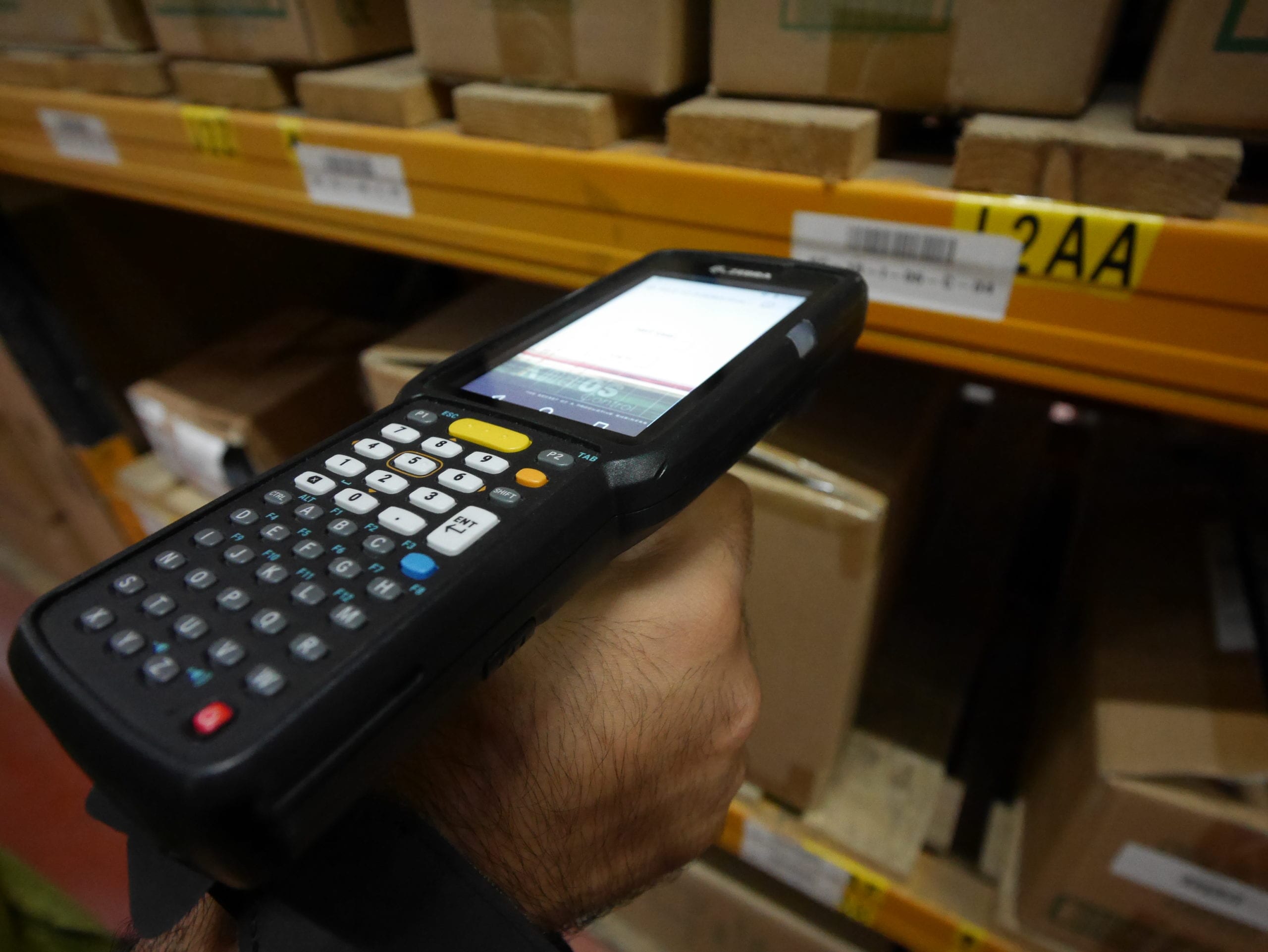
Mobile devices are changing the face of eCommerce and in turn, the 3PL world. Read on to find out what…

Expanding into international markets is an opportunity and a complexity in equal measure. Bray Solutions covers the key considerations every UK retailer needs to understand before shipping globally.
International shipping is no longer the preserve of large multinationals. Ecommerce has made it possible for businesses of almost any size to sell globally. But global logistics is considerably more complex than domestic fulfilment. Customs compliance, import duties, country-specific shipping restrictions, varying consumer expectations, and the practical challenge of managing international carrier networks all add layers of complexity that businesses need to understand before committing to international expansion.
This article covers the key considerations for UK retailers exploring international logistics: where to start, what the real costs look like, how to build a customer experience that converts internationally, and how to structure the 3PL services operation behind international sales.
Key Takeaways
The First Question Is Not How Do We Ship Internationally. It Is Should We, and Where.
Not every business benefits from international expansion, and not every product travels well. The time, cost, and operational complexity of international logistics must be weighed against the realistic revenue the target market represents. Testing the waters before committing is both practical and advisable: offering international shipping to one or two markets initially, monitoring order volume, return rates, and customer satisfaction closely, and scaling from there reduces the risk of over-investing in an international capability that the market does not yet justify.
Post-Brexit, UK businesses shipping into EU markets must navigate customs declarations, Rules of Origin requirements, and EORI numbers as standard.
Understanding the True Cost of International Shipping Before You Commit to a Price
Duties and taxes are the most significant hidden cost in most international markets. For UK businesses shipping into EU markets post-Brexit, exports are subject to customs declarations and must meet Rules of Origin requirements. For US markets, every state has different sales tax law. Getting these calculations wrong results in unexpected charges that are either absorbed by the margin or passed to the customer as a surprise on delivery.
International returns and reverse logistics are a further significant cost that is often overlooked in the initial planning. International returns are structurally more expensive than domestic ones: the return postage cost is higher, the processing time is longer, and the customs implications of returning goods across borders add administrative complexity.
Building a Customer Experience That Converts Internationally
International customers expect to see prices in their local currency and to have shipping costs and delivery timescales that accurately reflect their destination. Transparency about duties and taxes at checkout is equally important. Customers who complete an international purchase expecting one total price and then receive a duty bill on delivery are customers who do not return.
Consider Delivered Duty Paid (DDP) shipping, which absorbs duty costs into the product price, removing unexpected charges for the customer on delivery. The operational implication is that the business needs to know the applicable duty rate for each destination and product category accurately before they can present it honestly at checkout.
Navigating Shipping Restrictions, Prohibited Items, and Country-Specific Compliance
One of the less obvious challenges of international logistics is that the rules governing what can be shipped to each country vary significantly. Categories of goods that are freely traded domestically may be restricted or prohibited in specific international markets. A shipment that arrives at a customs point with incorrect documentation or prohibited goods can be held indefinitely, returned to the sender at the full cost of return freight, or in some cases destroyed.
For businesses working with a 3PL partner experienced in international shipping, this compliance knowledge is part of the managed service. Bray Solutions’ Transport and Logistics team manages international shipments including obtaining specialist carrier quotes, ensuring the correct customs documentation is in place for each market, and handling the logistics from collection through to delivery confirmation.
International logistics opens meaningful growth opportunities for UK retailers with the right products and the right preparation. The businesses that capture those opportunities most effectively are those that treat international expansion as a deliberate operational investment rather than a channel added on top of an existing domestic operation without the infrastructure to support it properly. With the right 3PL partner, the compliance knowledge, carrier relationships, and operational processes that international shipping requires are available from day one of the partnership rather than needing to be built from scratch.
Get a free quote from Bray Solutions
Frequently Asked Questions
Q: How do UK businesses handle customs and duties when shipping to EU countries post-Brexit?
A: UK businesses exporting to EU countries post-Brexit must complete customs declarations for every commercial shipment and ensure their products meet Rules of Origin requirements under the UK-EU Trade and Cooperation Agreement to qualify for preferential duty rates. Accurate product classification using the correct commodity codes is essential.
Q: What is Delivered Duty Paid shipping and when should a UK retailer use it?
A: Delivered Duty Paid (DDP) is a shipping arrangement where the seller absorbs all import duties and taxes for the destination country into their pricing, so the customer pays a single all-inclusive price with no additional charges on delivery. It is most appropriate for markets where unexpected duty charges on delivery are a significant barrier to purchase.
Q: Which products are not well suited to international ecommerce?
A: Products with very short shelf lives or perishability constraints, very high weight-to-value ratios that make international shipping costs disproportionate, items subject to strict import restrictions in major markets, and products where after-sales support requirements cannot be met across different time zones are all poor candidates for international ecommerce.
Q: How does Bray Solutions handle international shipments for clients?
A: Bray Solutions’ Transport and Logistics team manages international shipments including obtaining specialist carrier quotes, ensuring the correct customs documentation is prepared for each destination market, assigning the appropriate carrier and service level, and managing the shipment through to delivery confirmation with real-time tracking through the client portal.
Q: How should international delivery timescales be communicated to customers?
A: Accurately and prominently, before the customer commits to the purchase. International customers are generally more tolerant of longer transit times than domestic customers, provided those timescales are communicated clearly upfront and tracking information is provided so the customer can monitor their shipment’s progress.




We integrate with a number of different systems.
Get in touch to find out how we can help.